

 UK
UK  EN
EN 

Yogi Sayuty *1
 Muhamad Ichsan Sabillah1
Rezha Arzhan Hidayat2
Ima Fitri Sholichah3
Muhamad Ichsan Sabillah1
Rezha Arzhan Hidayat2
Ima Fitri Sholichah3
Key words: tennis, athlete, nutrition, performance
Ключові слова: теніс, спортсмен, харчування, продуктивність
Abstract
Nutrition is crucial in improving athlete performance, and research on the relationship between nutrition and sport continues to grow. This article aims to investigate nutrition's influence on tennis athletes' performance through a systematic review approach. The main objective was to identify the types of food that are most influential in improving the performance of tennis athletes, as well as to evaluate their impact on physiological and psychological aspects. This study used a systematic review approach, following PRISMA guidelines. Databases such as PubMed, Scopus, and Web of Science were reviewed for articles published up to 2024, using keywords related to nutrition and tennis. Inclusion and exclusion criteria were set to select articles that fit the research topic. Data were then extracted, synthesized, and analyzed to produce significant findings in the context of nutrition's influence on tennis athletes' performance. Of the 500 articles identified, 44 met the inclusion criteria. The analysis concluded that nutrition is essential in enhancing a tennis athlete's performance. Carbohydrates, protein, and fat were shown to be vital sources of energy for tennis athletes, while vitamins and minerals play an essential role in recovery and optimal body function. Previous studies have also shown that proper diet and supplementation can significantly improve tennis athletes' stamina, strength, and recovery. This study confirms that proper nutrition is highly influential in improving the performance of tennis athletes. Optimizing carbohydrate, protein, fat, vitamin, and mineral intake can have significant physiological and psychological benefits such as stamina, strength, and recovery. These findings result in recommendations for a tennis athlete's diet tailored to individual needs. At the same time, further research is recommended to deepen the understanding of the relationship between nutrition and sports performance.
Реферат
Вплив харчування на результативність тенісистів: систематичний огляд. Саюти Йогі, Сабіллах Мухамад Іхсан, Хідаят Резга Аржан, Шоліхах Іма Фітрі. Харчування відіграє вирішальну роль у підвищенні спортивної результативності спортсменів, й інтерес до вивчення взаємозв’язку між харчуванням і спортивними досягненнями продовжує зростати. Метою цієї статті є дослідити вплив харчування на результативність тенісистів за допомогою методу систематичного огляду. Основним завданням є визначення типів харчування, які мають найбільший вплив на спортивні показники, а також оцінювання їхнього впливу на фізіологічні та психологічні аспекти підготовки тенісистів. Дослідження проведено відповідно до методології PRISMA. Було проаналізовано наукові бази даних, зокрема PubMed, Scopus і Web of Science, з використанням ключових слів, пов’язаних із харчуванням і тенісом, для виявлення публікацій до 2024 року. Встановлено чіткі критерії включення та виключення для відбору релевантних статей. Відібрані дані були систематизовані, синтезовані та проаналізовані з метою формулювання обґрунтованих висновків щодо впливу харчування на спортивні результати. З 500 проаналізованих публікацій 44 відповідали критеріям включення. Результати аналізу підтверджують, що харчування має суттєвий вплив на спортивну результативність тенісистів. Встановлено, що вуглеводи, білки та жири є ключовими джерелами енергії, а вітаміни й мінерали відіграють важливу роль у відновленні та підтримці оптимального функціонування організму. Попередні дослідження також засвідчили, що збалансоване харчування і відповідні добавки значно покращують витривалість, силу та процес відновлення. Таким чином, результати цього огляду підтверджують важливість правильного харчування для підвищення спортивної ефективності тенісистів. Оптимізація споживання макро- й мікроелементів може забезпечити значні фізіологічні та психологічні переваги. На основі отриманих даних сформульовано рекомендації щодо розробки індивідуальних програм харчування для тенісистів. У майбутньому доцільно проводити додаткові дослідження з метою глибшого вивчення впливу харчування на спортивні досягнення.
Nutrition is one of the critical factors that influence athletic performance. A proper diet is vital, particularly in competitive sports such as tennis, where energy and recovery requirements are high. Tennis requires a combination of strength, endurance, speed, and agility, thus requiring comprehensive nutritional support to support all these physical aspects [1]. Proper dietary choices increase energy during play, speed up recovery, reduce the risk of injury, and maximize physiological function during matches that last several hours. Correspondingly, research in sports nutrition continues to grow, focusing on how nutrition can be optimized to support athlete performance. Studies have shown that a balanced intake of carbohydrates, protein, and fat is essential in supporting intense and prolonged physical activities, such as those often encountered in tennis [2]. Further research also indicates the importance of micronutrients, such as vitamins and minerals, which are crucial in maintaining athlete health and optimizing performance [3].
This systematic review investigates and analyzes the literature on nutrition's influence on tennis athlete performance. Through in-depth analysis, it aims to identify the nutritional components that are most influential in improving performance and provide recommendations that athletes and coaches can use in designing effective dietary programs. This review will answer the following research questions: What types of nutrition are most effective in improving the performance of tennis athletes, and how do they affect athletes' physiological and psychological aspects during competition? This review hopes to fill a gap in the literature by systematically collecting and synthesizing existing data, which will provide evidence-based guidance in sports nutrition, particularly tennis. According to [4], adequate carbohydrate intake before and during tennis play can significantly improve performance, reduce fatigue, and increase concentration during play. Research [5] supports these findings, stating that protein is crucial for post-match muscle recovery and muscle protein synthesis during high-intensity exercise. This unity in the literature suggests that a combination of carbohydrates and protein is key in the diet of tennis athletes.
Therefore, through this systematic review, we will delve deeper into nutrition's influence on tennis athletes' performance, hoping to provide new insights and valuable global recommendations for the tennis community. With a better understanding of the relationship between nutrition and performance, athletes and coaches can be better guided in setting more effective and efficient nutritional strategies to achieve optimal results on the court.
Review of Nutrition in Sport
1. Carbohydrate, Protein, and Fat in Athletic Nutrition
Carbohydrates, protein, and fat are three macronutrients crucial in supporting athletic performance, including tennis. Carbohydrates are the primary energy source for the body and brain. At the same time, protein plays a role in building and repairing muscle tissue, and fat provides long-term energy and supports complex bodily functions. The importance of each of these macronutrients in supporting the performance of tennis athletes has been widely reviewed in the scientific literature. In tennis, carbohydrates are vital as energy is essential for maintaining athlete performance during long matches. A study published in research [6] stated that adequate carbohydrate intake can improve athlete endurance, slow the onset of fatigue, and support recovery after training or matches. Thus, tennis athletes must ensure the proper carbohydrate intake before, during, and after training or matches to maintain optimal performance. In addition to carbohydrates, protein also plays a vital role in supporting the performance of tennis athletes. Protein is required to repair and build muscle tissue damaged by training or matches and maintain optimal muscle strength and mass. A study found that adequate protein consumption, especially after training, can increase muscle protein synthesis and accelerate muscle recovery.
Therefore, tennis athletes must be mindful of their protein intake to support recovery and maximize muscle adaptation. Fat is also essential to a tennis athlete's diet, although it often receives a negative stigma associated with an increased risk of cardiovascular disease. However, fat is a necessary source of energy, especially for long-duration activities such as tennis matches that last up to several hours. A study [7] showed that fat can be an efficient energy source, especially in low to moderate-intensity activities. Therefore, tennis athletes must focus on healthy fat intake, especially from monounsaturated and polyunsaturated fat sources, to support their stamina and performance during matches. Overall, carbohydrates, protein, and fat are essential components in a tennis athlete's diet that support energy, muscle recovery, and optimal performance. Therefore, tennis athletes must pay close attention to their nutritional intake and ensure they get adequate macronutrients to reach their maximum potential.
2. Essential Vitamins and Minerals
Vitamins and minerals support optimal body function, especially in intense physical activities like tennis. Adequate nutrition can help maintain electrolyte balance, improve muscle recovery, and support the athlete's immune system. In sports, the right balance of vitamins and minerals can significantly affect an athlete's performance. Research has highlighted the importance of vitamins and minerals in sports. For example, a study by [8] states that vitamins and minerals play an essential role in forming enzymes involved in energy metabolism and supporting the immune system. This suggests that vitamins and minerals serve as cofactors in various metabolic processes and play a role in maintaining overall health.
In addition, studies have also shown a correlation between vitamin and mineral intake and athletic fitness. A study conducted by [9] found that athletes with adequate intake of vitamins and minerals tend to perform better and have faster recovery after training or competition [10]. It is confirmed that proper vitamins and minerals can support athletes' stamina and recovery, being essential in tennis, which requires high physical endurance. In addition to supporting physical aspects, vitamins and minerals also have a role in maintaining athletes' mental balance. A study by [11] found that specific vitamin and mineral deficiencies can contribute to decreased mood and concentration, affecting an athlete's overall performance [12]. Proper nutrition can help maintain athletes' mental balance, which is essential in competitive sports such as tennis.
However, it is essential to remember that an excess or deficiency of vitamins and minerals can also negatively impact athletes' health and performance. A study by [13] found that an excess or deficiency of specific vitamins and minerals can lead to health problems such as fatigue, reduced performance, and even injury in athletes. Therefore, it is essential to ensure a balanced and appropriate intake of nutrients according to individual needs. In addition, factors such as the environment and an individual's diet can also affect the nutritional status of athletes. A study conducted [14] concluded that factors such as diet, living habits, and environment can affect athletes' vitamin and mineral intake, making it essential to pay attention to these factors in planning athletes' diets [15]. Besides varying nutritional requirements, external factors must be considered when planning an athlete's diet.
Overall, vitamins and minerals play an essential role in supporting the performance and health of athletes, including tennis athletes. Adequate intake of these nutrients can help improve athletes' stamina, recovery, and mental balance. However, paying attention to individual needs and external factors in planning an athlete's diet to achieve optimal results is essential.
Previous Studies on Nutrition and Tennis
Previous research has revealed the significant impact of diet and supplementation on tennis athletes' performance. Through analyses of specific diets and supplement use, these studies highlight the relationship between nutrition and critical aspects of performance, such as stamina, strength, and recovery. With a focus on practical implications, the studies provide valuable insights into understanding how nutrition affects the overall performance of tennis athletes. Previous studies have examined the relationship between diet and tennis athlete performance. These studies considered general nutrient intakes and specialized diets, such as high-protein or low-carbohydrate diets. A study [16] concluded that a protein-rich diet can improve muscle recovery and strength, which is essential for tennis athletes who experience heavy loading in training and matches. A high-protein diet can also help maintain muscle mass and improve performance [17].
Aside from diet, supplementation has also been the focus of research to improve the performance of tennis athletes. Clinical studies suggest that creatine supplements, which are often used in power sports, may benefit tennis athletes by improving muscle strength and endurance. A study [18] mentioned that creatine can increase training volume and accelerate recovery after strenuous activity.
The importance of electrolytes and hydration has also been a significant research topic in tennis. Loss of electrolytes through sweat during a match can disrupt the ion balance in the body and affect the athlete's performance. In a study conducted [19], it was suggested that electrolyte drinks could help replace lost electrolytes and maintain hydration, thus improving the performance of tennis athletes during long matches. Protein supplements have also been the focus of significant research in the context of post-workout recovery. Athletes often use protein shakes to accelerate muscle recovery after intense exercise. A study by [20] found that consuming protein supplements after exercise can increase muscle protein synthesis and accelerate muscle recovery, thus allowing athletes to recover faster and return to training or matches better.
In addition to improving performance, nutrition also plays a role in reducing the risk of injury in tennis athletes. Diets rich in antioxidants, such as vitamins C and E, have been associated with reduced inflammation and cell damage, which may help prevent athlete injuries. A study by [21] showed that antioxidant supplements may reduce the risk of injury in athletes by reducing levels of inflammation and oxidative stress in the body. Nevertheless, it is also essential to consider the potential side effects of supplementation in athletes. Several studies have highlighted the risks associated with long-term supplement consumption, including digestive problems, kidney damage, and nutritional imbalances [22]. They concluded that a better understanding of the potential risks and benefits of supplementation is needed to inform better athlete nutrition decisions.
These studies clearly show that diet and supplementation play an essential role in improving tennis athletes' performance. Nevertheless, it is crucial to consider individual factors and the specific needs of the athlete when designing an effective and safe nutritional strategy.
Nutrition's Impact on Stamina, Strength, and Recovery
Nutrition plays a crucial role in supporting stamina, strength, and recovery in tennis athletes. Carbohydrates, proteins, fats, vitamins, and minerals have a significant impact on these aspects.
1. The Role of Carbohydrates in Stamina
Carbohydrates are the body's primary energy source, especially in intense physical activities like tennis. Studies have shown that adequate carbohydrate intake can increase athletes' stamina and extend the time before feeling fatigued. A study by [23] stated that appropriate carbohydrate intake in quantity and timing can improve athletes' endurance and performance, including tennis athletes who require substantial energy during long matches.
2. Effect of Protein on Strength and Recovery
Protein is necessary for building and repairing muscles after training or competition. Adequate protein consumption can also increase muscle strength and speed up recovery. According to a study Ihsan & Nasrulloh, (2023), protein supplementation after training can increase muscle protein synthesis and accelerate the recovery of damaged muscles, contributing to long-term increases in muscle strength
3. The Importance of Fat in Long-term Stamina
Although often considered a reserve fuel, fat also has a vital role in supporting stamina, especially in training or competitions that last for extended periods. Fat can provide gradual and long-lasting energy. A study Cao et al., (2021) showed that a high-fat diet can increase fat oxidation and enable energy maintenance at low to moderate intensities, which is essential for tennis athletes in matches that last long periods.
4. Vitamins and Minerals for Optimal Recovery
Vitamins and minerals are essential to the body's recovery after training or matches. Some vitamins and minerals, such as vitamins C, E, and zinc, have anti-inflammatory and antioxidant properties that can help reduce inflammation and muscle tissue damage. Research [26] showed that adequate intake of vitamins C and E could reduce the extent of muscle damage and optimize the recovery process in athletes after strenuous exercise.
5. Water is an Essential Nutrient for Stamina and Recovery
Water is an often overlooked nutrient, being vital for athletes' stamina and recovery. Dehydration can lead to decreased performance, increased risk of injury, and slow recovery. A study [27] confirmed that dehydration of just 2% of body weight could decrease athlete performance, emphasizing the importance of maintaining adequate hydration during training and competition.
6. Electrolyte Supplements to Support Stamina and Recovery
Electrolytes such as sodium, potassium, and magnesium are essential for maintaining body fluid balance, muscle contraction, and nerve function. In situations where athletes lose a lot of fluid through sweat, electrolyte supplements can help maintain electrolyte balance and prevent fatigue and muscle cramps. According to a study [28], electrolyte supplements can reduce the risk of fatigue, decreased performance, and injury in athletes exposed to hot and humid environmental conditions.
A deep understanding of the relationship between nutrition and critical aspects such as stamina, strength, and recovery is essential for tennis athletes. By paying attention to proper nutrition, tennis athletes can improve their performance and prolong endurance and sustainability in intense matches.
Gaps in the Literature
The study of nutrition's effect on tennis athletes' performance has become an increasing focus in the scientific literature. However, although many studies have been conducted in this field, some gaps still need to be addressed. One of these is the lack of recent research that specifically examines the influence of nutrition on tennis athlete performance. While many studies have been conducted in this field, some gaps still need to be addressed. One of these is the lack of recent research that specifically examines the influence of nutrition on tennis athlete performance.
According to research [14], although there is increasing interest in the role of nutrition in sports, specific research on nutrition and tennis tends to be underrepresented in the current scientific literature. This could lead to a lack of in-depth understanding of the relationship between proper nutrition consumption and the improved performance of tennis athletes.
Furthermore, another gap in the literature is the need for more research considering specific aspects of nutrition and tennis, such as the role of nutrition in injury recovery in tennis athletes. A study [29] showed that proper nutrition can speed up the recovery process and reduce the risk of injury in tennis athletes. However, research explicitly examining nutritional strategies for injury recovery in tennis is limited.
Due to the need for more recent research on nutrition and tennis, it is essential to expand research that integrates more advanced methodologies, such as prospective cohort studies and sophisticated experimental designs. A study [30] emphasized the importance of sophisticated methodological approaches in sports nutrition research to better understand the relationship between nutrition and athletic performance.
In addressing this gap in the literature, researchers need to direct their efforts towards deepening the understanding of the specific types of nutrients that have the most effect on tennis athletes' performance, as well as how the timing of nutrient intake can affect performance during training and matches. A study [16] showed that nutrient intake before, during, and after practice or matches can significantly impact tennis athletes' performance.
The objective of this systematic review is to analyze and synthesize existing scientific evidence regarding the effect of nutrition on the performance of tennis athletes. This review aims to explore various nutritional strategies and dietary patterns commonly applied by tennis players, as well as examine the relationship between specific nutrients or supplementation and key performance indicators such as endurance, strength, agility, and recovery. By evaluating the effectiveness of these nutrition interventions, this study seeks to provide a clearer understanding of how nutrition contributes to athletic performance in tennis. Additionally, this review intends to identify gaps in the current literature and offer recommendations for future research to support the development of more effective and evidence-based nutritional strategies for tennis athletes.
MATERIALS AND METHODS OF RESEARCH
The research method used in this article was a systematic review that followed the PRISMA guidelines. This approach allowed for the structured collation and analysis of previous studies relevant to nutritional influences on tennis athlete performance. PRISMA provides a clear and systematic framework for identifying, assessing, and synthesizing evidence from the available literature in a transparent and detailed manner. The PRISMA approach requires a pre-defined research protocol, with inclusion (Table 1) and exclusion criteria, and a comprehensive search strategy. In addition, the methodological quality assessment of studies included in this review will be conducted systematically according to PRISMA guidelines. Using a PRISMA-guided systematic review approach, this study aims to provide a comprehensive and reliable synthesis of the relationship between nutrition and tennis athletes' performance based on the literature evidence.
Criteria Description Inclusion Study Type: Research articles (observational studies, intervention studies, meta-analyses, systematic reviews). Research Subjects: Professional or amateur tennis athletes of varying ability levels. Type of Intervention: Studies that evaluate the effects of nutrition (e.g., diet, supplements) on the performance of tennis athletes. Language: Studies published in English or other languages, provided there is a translation available. Publication Time: Articles published within the timeframe (2013 to 2024). Exclusion Study Type: Non-research reviews (editorials, newspapers, and book reviews). Study Subjects: Studies conducted on subjects other than tennis athletes or subjects with certain medical conditions. Type of Intervention: Studies that do not focus on nutritional interventions or only evaluate other aspects of performance. Language: Articles written in a language other than English for which there is no translation. Time of Publication: Articles published within more than 11 years
In the Selection Process stage, a literature search was conducted in reputable databases such as PubMed, Scopus, and Web of Science using related keywords such as "Tennis athlete nutrition," "Tennis supplementation and performance," and "athlete diet and physical fitness." The search was limited to articles published between 2013 to 2024 to ensure the inclusion of the most recent and relevant research. After the search, relevant articles were screened by title and abstract. Articles that fulfilled the inclusion criteria such as relevance to the research topic and appropriate research type were selected for full-text reading. Subsequently, articles that satisfy the requirements will be included in the analysis. During the selection process, article quality assessment criteria will also be applied to ensure methodological quality and relevance of findings to the research objectives. Using this approach, the most relevant and high-quality articles will be considered in the analysis, ensuring that the research has a solid and reliable foundation. The PRISMA flowchart illustrates the entire selection process, which increases transparency and makes it easier to understand the selection process (Fig.).
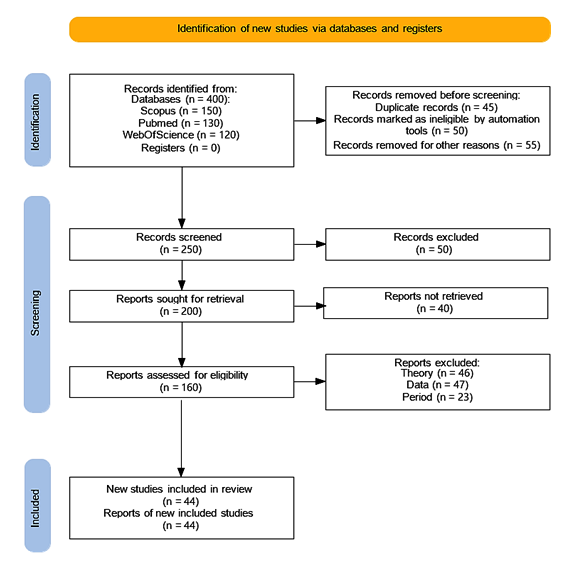
Data analysis in this study involved collecting and collating information from articles relevant to the topic. This process involved extracting data related to the nutrients studied, methods of measuring tennis athlete performance, and key findings from each article reviewed. The data were then analyzed to identify patterns or trends in the influence of nutrition on tennis athlete performance. The analysis approach may vary depending on the data collected, but generally includes grouping the data by relevant themes or variables and synthesizing the findings from the selected articles. Qualitative analysis methods may be used to understand the context and implications of the findings in depth.
In contrast, quantitative analyses, such as meta-analyses, may be used if sufficient data are available. Conclusions from these data analyses will help inform this systematic review's discussion and conclusions. PRISMA flowcharts will visualize the study selection and inclusion process, ensuring transparency and ease of understanding for the reader.
RESULTS AND DISCUSSION
In analyzing the findings regarding the influence of nutrition on the performance of tennis athletes, there are several essential aspects to consider (Table 2). First of all, carbohydrates, protein, and fat have a significant role in supporting the performance of tennis athletes. Carbohydrates are the primary source of energy for physical activity, which contributes to athletes' endurance and strength during matches. Research shows that adequate carbohydrate intake before and during matches can improve the performance of tennis athletes, especially in matches that require high intensity and last long [6]. On the other hand, protein is essential for maintaining and repairing muscles after training or matches. Adequate protein consumption can also help athletes build muscle mass and increase strength [36]. Fats, particularly healthy fats such as omega-3, have been shown to have anti-inflammatory effects that may help reduce the risk of injury and improve the cognitive function of tennis athletes [37].
Key Findings from Systematic Review Findings One of the supporting Journals of the Systematic Review Explanation Effects of Carbohydrate, Protein, and Fat [31, 32] Carbohydrate intake supports the stamina and energy that tennis athletes require during long, intensive matches. Protein has been shown to play an essential role in repairing and building muscle mass, which can help improve tennis athletes' physical strength and endurance. The right fats, especially polyunsaturated fats, can also support body function and nutrient absorption, essential for tennis athletes The Role of Vitamins and Minerals [1, 33, 34] Vitamins and minerals play a crucial role in supporting optimal body function, including strengthening the immune system, speeding up recovery, and maintaining electrolyte balance. Deficiencies in specific vitamins and minerals can negatively impact a tennis athlete's performance, that is why it is essential to ensure adequate intake of food or supplements Long-term and Short-term Impacts [14, 35] Proper nutritional intake can provide short-term benefits in improving performance immediately after consumption, as well as long-term benefits in sustaining and enhancing the performance of tennis athletes. Nutrients obtained from natural foods tend to provide better long-term benefits than nutritional supplements in maintaining athlete health and performance
In addition to macro-nutrients, vitamins, and minerals also have an essential role in improving the performance of tennis athletes. Vitamins such as vitamins C and E have antioxidant effects that can help in fighting oxidative damage that occurs during training or matches [21]. Minerals such as iron and calcium are also crucial for maintaining bone and muscle health and ensuring optimal muscle contraction during matches [38]. Proper nutritional intake can also help improve recovery and reduce the risk of injury in tennis athletes [39]. A consistent and balanced diet not only affects an athlete's performance immediately but can also have a long-term impact on an athlete's physical endurance from season to season [16].
Overall, the relationship between nutrition and tennis athlete performance is complex. Not only proper nutrition is necessary to improve current performance, but also to ensure the athlete's long-term health and reduce the risk of injury. Therefore, tennis athletes and coaching teams need to understand the importance of proper nutrition strategies and implement them in their training and competition. Thus, the effort required in planning and managing the diet of tennis athletes will not only help improve their current performance but will also provide long-term benefits to their health and career in the sport.
Importance of Nutrient Intake
Proper nutritional intake can contribute significantly to improving the stamina and strength of tennis athletes. Numerous studies have shown that sufficient carbohydrates can enhance physical endurance, which is a critical factor in long and intense tennis matches. For example, research [40] highlighted the importance of carbohydrates in improving long-term athletic performance by providing a sustainable source of energy for muscles during training and competition.
Proper nutrition also plays a vital role in supporting athletes' recovery process after training or competition. Protein, for example, is required to repair and rebuild muscles damaged during intense exercise or minor injuries during a match. According to research [41], adequate protein intake after training can increase muscle protein synthesis and accelerate muscle recovery associated with physical damage from exercise.
In addition to affecting physical aspects, nutritional intake can also have a positive impact on the mental and cognitive performance of tennis athletes. Specific vitamins and minerals, such as B-complex vitamins and magnesium, have been shown to play an essential role in neural function and mental concentration. A study [42] found that vitamin B complex supplements can improve cognitive performance and mood stability, which can benefit tennis athletes in maintaining focus and concentration during long, stressful matches.
While nutritional supplements are often an easy option, it's important to remember that natural sources of nutrients, such as whole foods, are also crucial for athletes' health and performance. A study by [43] highlighted that natural foods often provide nutrients in a more complete form and are easily absorbed by the body compared to supplements, which can have different side effects and tolerance in individuals.
By paying attention to proper nutrition intake, tennis athletes can maximize their physical and mental potential, improving endurance, strength, and focus, all of which are important in achieving peak performance in this demanding sport.
The results of this systematic review show that nutrition plays a crucial role in improving athlete performance. Interpretation of the findings suggests that various aspects of nutrition, such as carbohydrates, proteins, fats, vitamins, and minerals, have a significant impact on tennis athletes' stamina, strength, and recovery. For example, carbohydrates play an essential role in providing the energy required to endure intense training sessions and long matches. Proteins are needed to repair and build muscle after a workout or match. At the same time, fats provide lasting energy and aid in the absorption of specific vitamins that are essential for optimal body function.
The implications of these findings are clear. Tennis coaches, nutritionists, and athletes can use this information to design appropriate nutritional strategies to improve athlete performance. Practical recommendations include paying attention to the composition of meals before and after training sessions or matches, ensuring athletes have adequate intake of each type of nutrient required to maintain optimal health and performance. It is also essential to consider the individual needs of each athlete, as the body's response to nutrients can vary significantly between individuals.
However, while these findings provide valuable insights, some limitations need to be recognized. The systematic review method has the potential for bias in article selection and data interpretation. In addition, there are shortcomings in the literature that may affect the generalisability of the findings, such as the lack of studies examining the direct influence of nutrition on tennis athletes. This suggests the need for further research to understand more deeply the interaction between nutrition and performance in tennis athletes.
In the context of future research, it is essential to consider better research designs that allow the identification of causality between nutrient intake and the performance of tennis athletes. Longitudinal studies with larger samples may provide a more comprehensive insight into the impact of nutrition on tennis athletes' performance over time. In addition, there is a need for research that takes into account other factors that may influence the relationship between nutrition and performance, such as psychological and environmental factors.
In conclusion, while these findings provide strong evidence of the influence of nutrition on the performance of tennis athletes, further research is needed to understand in greater depth the complexity of this relationship. However, by paying attention to proper nutrition, tennis athletes can improve their performance and reach their maximum potential in their sport.
CONCLUSIONS
- The conclusion of this systematic review highlights key findings that can guide athletes, coaches, and healthcare professionals in improving tennis athlete performance through optimal nutrition management. From the results of this review, it can be concluded that nutrition plays a significant role in achieving optimal athletic performance. Key findings show that carbohydrate, protein, and fat intake have a considerable influence on tennis athletes' stamina, strength, and recovery. Furthermore, vitamins and minerals were also shown to be important in supporting optimal body function during and after training. By paying attention to the suitable nutritional composition, athletes can improve endurance, speed up recovery, and reduce the risk of injury. However, it is essential to remember that nutrition is only one of many factors that influence an athlete's performance. Regular training, stress management, and other factors also play an essential role in achieving optimal performance. Therefore, the practical advice that can be drawn from this review is the need for a holistic approach in the training of tennis athletes, which includes nutritional management that suits the needs of individual athletes.
- In addition, this review highlights the need for further research in the field of nutrition and tennis athlete performance. Although many studies have been conducted, there is still room for further research, especially in identifying interactions between different nutrients and the role of genetic factors in determining the body's response to food intake. Additional research is also needed to understand the long-term effects of a specialized diet for tennis athletes on their health and performance over a more extended period. Thus, the suggestion for future research is to continue exploring these areas to improve our understanding of the complex relationship between nutrition and performance in tennis. As such, the results of this review are expected to make a significant contribution to the development of better nutritional guidelines and a deeper understanding of how proper nutritional management can improve the overall performance of tennis athletes.
Acknowledgments.
The authors would like to thank all the team of authors included in this article who have helped in writing and analyzing this systematic review article very well.
Contributors:
Sayuty Yogi – conceptualization, validation, resources, funding acquisition, investigation, data curation, formal analysis;
Sabillah Muhamad Ichsan – software, writing – original draft, methodology, formal analysis, Investigation;
Hidayat Rezha Arzhan – data curation, visualization, supervision, project administration;
Sholichah Ima Fitri – writing – review & editing, software.
Funding. This research received no external funding.
Conflict of interests. The authors declare no conflict of interest.
REFERENCES
- Fleming J, Naughton RJ, Harper LD. Nutrition and the elite and highly trained junior and young adult tennis player: a scoping review. International Journal of Sports Science & Coaching. 2022;17(6):1593-604. doi: https://doi.org/10.1177/174795412210876
- Ramadhani F, Hatta H, Nuryani N, Maesarah M, Adam D, Sillehu S, et al. Correlation of energy, protein, carbohydrate, and physical activity intake with nutritional status of adolescents. Open Access Maced J Med Sci. 2022 Jun 16;10(E):1440-5. doi: https://doi.org/10.3889/oamjms.2022.8110
- Li H, Kang G, Lu P. Effects of Dietary supplementation on the training of female tennis players in hot climates. Rev Bras Med do Esporte.
2022;29(Spe 1):1-4.
doi: https://doi.org/10.1590/1517-8692202329012022_0180 - Gomes RV, Capitani CD, Ugrinowitsch C, Zourdos MC, Fernández-Fernández J, Méndez-Villanueva A, et al. Does carbohydrate supplementation enhance tennis match play performance? J Int Soc Sports Nutr. 2013 Oct 22;10(1):46.
doi: https://doi.org/10.1186/1550-2783-10-46 - Trommelen J, Loon LJC van. Pre-sleep protein ingestion to improve the skeletal muscle adaptive response to exercise training. Nutrients. 2016 Nov 28;8(12):763. doi: https://doi.org/10.3390/nu8120763
- Martin L. Carbohydrate intake for optimal performance in professional Male/&Amp; female tennis players. Itf Coaching & Sport Science Review. 2015;23(66):18-21. doi: https://doi.org/10.52383/itfcoaching.v23i66.138
- Maffetone P, Laursen PB. Maximum aerobic function: clinical relevance, physiological underpinnings, and practical application. Front Physiol. 2020 Apr 2;11:296. doi: https://doi.org/10.3389/fphys.2020.00296
- Mitra S, Paul S, Roy S, Sutradhar H, Emran T Bin, Nainu F, et al. Exploring the immune-boosting functions of vitamins and minerals as nutritional food bioactive compounds: a comprehensive review. Molecules. 2022 Jan 16;27(2):555. doi: https://doi.org/10.3390/molecules27020555
- Yoon S, Kwon O-S, Kim J-Y. Vitamin D in athletes: focus on physical performance and musculoskeletal injuries. Phys Act Nutr. 2021 Jun;25(2):20-25. doi: https://doi.org/10.20463/pan.2021.0011
- Ghazzawi HA, Hussain MA, Raziq KM, Alsendi KK, Alaamer RO, Jaradat M, et al. Exploring the relationship between micronutrients and athletic performance: a comprehensive scientific systematic review of the literature in sports medicine. Sports (Basel). 2023 May 24;11(6):109. doi: https://doi.org/10.3390/sports11060109
- Armento A, Heronemus M, Truong DD, Swanson CM. Bone health in young athletes: a narrative review of the recent literature. Curr Osteoporos Rep. 2023 Aug;21(4):447-58. doi: https://doi.org/10.1007/s11914-023-00796-5
- Sekgobela TT, Sepodumo T, Mamaila J, Ramokolo KM, Masoga S. Sources of nutrition information used by tennis trainee athletes at the university of Limpopo in Limpopo Province, South Africa: A Descriptive Study. World Nutrition. 2023;14(2):51-55. doi: https://doi.org/10.26596/wn.202314251-55
- Wang Q, Yao N. Impacts of crossfit training on the tennis athlete’s performance. Revista Brasileira De Medicina Do Esporte. 2023;29(4):e2023_0012. doi: https://doi.org/10.1590/1517-8692202329012023_0012
- Domínguez R, Sánchez-Oliver AJ, Silva SF da, López-Samanés Á, Martínez-Sanz JM, Mata F. Dietary-nutritional needs in tennis: a narrative review. Revista Española De Nutrición Humana Y Dietética. 2020;25(Supl 1):e1029. doi: https://doi.org/10.14306/renhyd.25.S1.1029
- Lu FJ-H, Gill DL, Yang CMC, Lee P-F, Chiu Y-H, Hsu Y-W, et al. Measuring athletic mental energy (ame): instrument development and validation. Front Psychol. 2018 Dec 6;9:2363. doi: https://doi.org/10.3389/fpsyg.2018.02363
- Kovacs MS, Baker LB. Recovery interventions and strategies for improved tennis performance. Br J Sports Med. 2014 Apr;48(Suppl 1):i18-21. doi: https://doi.org/10.1136/bjsports-2013-093223
- Moore DR. Protein requirements for master athletes: just older versions of their younger selves. Sports Med. 2021 Sep;51(Suppl 1):13-30. doi: https://doi.org/10.1007/s40279-021-01510-0
- António J, Candow DG, Forbes SC, Gualano B, Jagim AR, Kreider RB, et al. Common questions and misconceptions about creatine supplementation: what does the scientific evidence really show? J Int Soc Sports Nutr. 2021 Feb 8;18(1):13.
doi: https://doi.org/10.1186/s12970-021-00412-w - Tambalis KD. The effect of electrolytes and energy drinks consumption on athletic performance – a narrative review. European Journal of Fitness Nutrition and Sport medicine Studies. 2022;3(1):1-25. doi: https://doi.org/10.46827/ejfnsm.v3i1.127
- Pasiakos SM, Lieberman HR, McLellan TM. Effects of protein supplements on muscle damage, soreness and recovery of muscle function and physical performance: a systematic review. sports med. 2014 May;44(5):655-70. doi: https://doi.org/10.1007/s40279-013-0137-7
- Chilelli NC, Ragazzi E, Valentini R, Cosma C, Ferraresso S, Lapolla A, et al. Curcumin and boswellia serrata modulate the glyco-oxidative status and lipo-oxidation in master athletes. Nutrients. 2016 Nov 21;8(11):745. doi: https://doi.org/10.3390/nu8110745
- Nocella C, Cammisotto V, Pigozzi F, Borrione P, Fossati C, D’Amico A, et al. Impairment between oxidant and antioxidant systems: short- and long-term implications for athletes’ health. nutrients. 2019 Jun 15;11(6):1353. doi: https://doi.org/10.3390/nu11061353
- Jenner SL, Buckley G, Belski R, Devlin BL, Forsyth A. Dietary intakes of professional and semi-professional team sport athletes do not meet sport nutrition recommendations – a systematic literature review. Nutrients. 2019 May 23;11(5):1160. doi: https://doi.org/10.3390/nu11051160
- Ihsan F, Nasrulloh A. A review of the effects of nutritional supplements on muscle strength and endurance in athletes. Fizjoterapia Polska 2023;23(2);138-47 doi: https://doi.org/10.56984/8ZG0DF3B8
- Cao J, Lei SM, Wang X, Cheng S. The effect of a ketogenic low-carbohydrate, high-fat diet on aerobic capacity and exercise performance in endurance athletes: a systematic review and meta-analysis. Nutrients. 2021 Aug 23;13(8):2896. doi: https://doi.org/10.3390/nu13082896
- Higgins MR, Izadi A, Kaviani M. Antioxidants and exercise performance: with a focus on vitamin E and C supplementation. Int J Environ Res Public Health. 2020 Nov 15;17(22):8452. doi: https://doi.org/10.3390/ijerph17228452
- Pašalić A, Jusupović F, Rudić A, Mahmutović J, Branković S, Jaganjac A. Habits of fluid and electrolytes intake in elite athletes. Journal of Health Sciences. 2015;5:15-18. doi: https://doi.org/10.17532/jhsci.2015.238
- Waller AP, Lindinger MI. Pre‐loading large volume oral electrolytes: tracing fluid and ion fluxes in horses during rest, exercise and recovery. J Physiol. 2021 Aug;599(16):3879-96. doi: https://doi.org/10.1113/JP281648
- Giraldo-Vallejo JE, Cardona-Guzmán MÁ, Rodríguez-Alcivar EJ, Kočí J, Petro JL, Kreider RB, et al. Nutritional strategies in the rehabilitation of musculoskeletal injuries in athletes: a systematic integrative review. Nutrients. 2023 Feb 5;15(4):819. doi: https://doi.org/10.3390/nu15040819
- Martín-Rodríguez A, Belinchón-deMiguel P, Rubio-Zarapuz A, Tornero-Aguilera JF, Martínez-Guardado I, et al. Advances in understanding the interplay between dietary practices, body composition, and sports performance in athletes. Nutrients. 2024 Feb 19;16(4):571. doi: https://doi.org/10.3390/nu16040571
- Jonatan JH. Nutritional needs in court tennis athletes. Jurnal pendidikan jasmani (Jpj). 2023;4(2):264-71. doi: https://doi.org/10.55081/jpj.v4i2.1526
- Tirla AG, Islam F, Islam MR, Vicaş SI, Cavalu S. New insight and future perspectives on nutraceuticals for improving sports performance of combat players: focus on natural supplements, importance and advantages over synthetic ones. Applied Sciences. 2022;12(17):8611. doi: https://doi.org/10.3390/app12178611
- Fleming J, Naughton RJ, Harper LD. Investigating the nutritional and recovery habits of tennis players. Nutrients. 2018 Apr 3;10(4):443. doi: https://doi.org/10.3390/nu10040443
- Niculescu G, Sabau E, Lupu E. Assessment of recovery in athletes’ training. icSEP 2018 International Conference on Sport, Education & Psychology. Future Academy; 2018. doi: https://doi.org/10.15405/epsbs.2018.06.02.3
- Lee S, Lim HJ. Development of an evidence-based nutritional intervention protocol for adolescent athletes. J Exerc Nutrition Biochem. 2019 Sep 30;23(3):29-38. doi: https://doi.org/10.20463/jenb.2019.0020
- Leonhardt TPM, Bristol A, McLaurin N, Forbes SC, Tanaka H, Frings-Meuthen P, et al. Dietary intake of athletes at the world masters athletics championships as assessed by single 24 H recall. Nutrients. 2024 Feb 19;16(4):564. doi: https://doi.org/10.3390/nu16040564
- Djuričić I, Calder PC. Beneficial outcomes of omega-6 and omega-3 polyunsaturated fatty acids on human health: an update for 2021. Nutrients. 2021 Jul 15;13(7):2421. doi: https://doi.org/10.3390/nu13072421
- Khizar A, Fatima M, Shah SZH, Khan N, Maryam N, Khan FN. Optimum dietary calcium requirement of hypophthalmichthys molitrix juveniles. Aquaculture Research. 2022;53(16):5455-62. doi: https://doi.org/10.1111/are.16026
- Wiewelhove T, Szwajca S, Busch M, Döweling A, Volk NR, Schneider C, et al. Recovery during and after a simulated multi‐day tennis tournament: combining active recovery, stretching, cold‐water immersion, and massage interventions. Eur J Sport Sci. 2022 Jul;22(7):973-84. doi: https://doi.org/10.1080/17461391.2021.1936196
- Hawley JA, Leckey JJ. Carbohydrate dependence during prolonged, intense endurance exercise. Sports Med. 2015 Nov;45(Suppl 1):S5-12. doi: https://doi.org/10.1007/s40279-015-0400-1
- Nieman DC, Gillitt ND, Wang S, Meaney MP, John CS, Pappan KL, et al. Metabolomics-based analysis of banana and pear ingestion on exercise performance and recovery. J Proteome Res. 2015 Dec 4;14(12):5367-77. doi: https://doi.org/10.1021/acs.jproteome.5b00909
- Erpenbach K, Erpenbach MC, Mayer W, Hoffmann U, Mücke S. Cellular magnesium level and magnesium supplementation in elite sports: effect on mitochondrial function (ATP), lactate-pyruvate- and muscle-metabolism (CK). Advances in orthopedics and sports medicine. 2021;2021(02):1-8. doi: https://doi.org/10.37722/AOASM.2021203
- Roscamp R, Santos MG. Effects of carbohydrates supplementation and physical exercise. journal of nutrition and health sciences. 2015;2(3):1-12. doi: https://doi.org/10.15744/2393-9060.2.303